
I'm pretty rubbish at knowing when I'm being a bad listener. My wife will be telling me something important, I'll be nodding along, fully convinced I'm engaged, and then she'll ask me to repeat what she just said and I'll have absolutely nothing. Blank. Total system failure.
I always think I'm listening well. She knows I'm not.
That's exactly what's happening in sales coaching right now, except the stakes are a lot higher than whether I remember to pick up milk.
The Disconnect
MySalesCoach released their State of Coaching 2026 report recently, and one number jumped off the page: 45% of sales reps rate the coaching they receive as below average.
That's not a rounding error. That's nearly half your sales floor telling you the coaching isn't working.
But here's the bit that makes it really uncomfortable. When they asked managers the same question, the numbers flipped. Managers overwhelmingly rated their own coaching as good or excellent.
Both sides answered honestly. Both sides believe they're right. And that gap is where deals go to die.
It's Not About Quality
The instinct when you see a number like 45% is to think: "We need better coaches." Or "We need to train our managers on coaching methodology." Or "We need a coaching framework."
I've been in those meetings. I've sat through those workshops. And here's what I've learned: the quality of the coaching, when it happens, usually isn't the problem.
Most managers aren't terrible coaches. When they sit down with a rep and actually work through a deal, the conversation is often genuinely useful. The rep walks away with clarity. The manager walks away feeling like they've done their job.
The problem is that conversation happens once a week. Maybe once a fortnight. Sometimes once a month.
And in between? Nothing. Radio silence. The rep is on their own with 30 active deals, 4 that are going sideways, and zero coaching support until the next scheduled one-to-one.
The Frequency Problem
Let's do the maths. A typical sales manager has 8 to 12 direct reports. Let's say 10. Each one-to-one is 30 minutes, once a week. That's 5 hours just on coaching calls. Add prep time, CRM review, and follow-up, and you're looking at 7 to 8 hours a week.
Now layer on pipeline reviews, forecast calls, QBRs, team meetings, hiring interviews, deal support, and their own one-to-one with their VP.
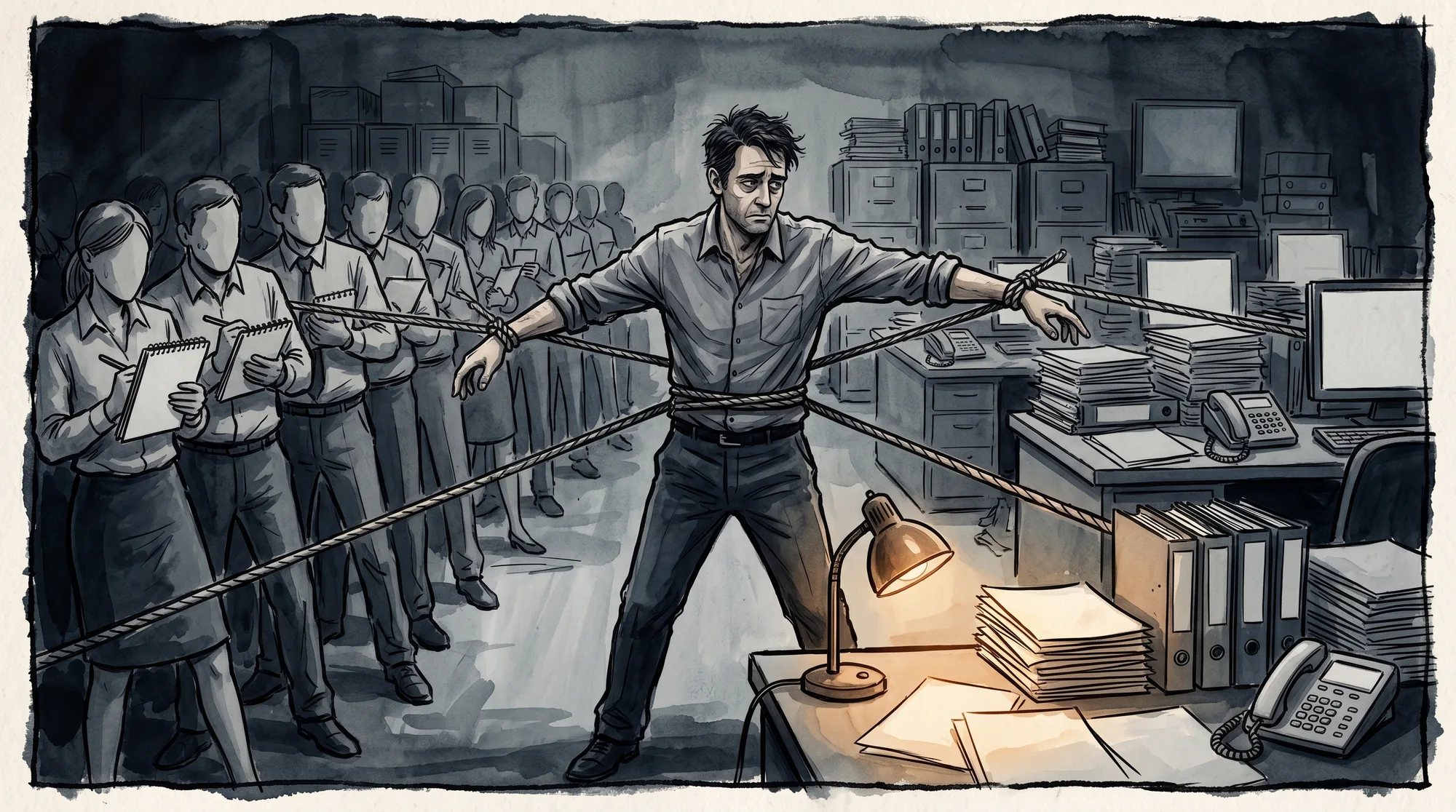
Something has to give. And what gives is coaching frequency.
The rep doesn't get coached once a week. They get coached once every two or three weeks, if they're lucky. The rest of the time, they're navigating complex deals alone, making judgment calls without a sounding board, and building habits nobody's checking.
That's why 45% say coaching is below average. Not because the coaching itself is bad. Because it barely exists.
The Relevance Problem
Here's the second half of the gap. Even when coaching does happen, it's often disconnected from what the rep is dealing with right now.
Think about how most coaching one-to-ones work. The manager opens the CRM, scans the pipeline, and picks a deal to talk about. Maybe it's the biggest deal. Maybe it's the one that's stalled. Maybe it's whatever catches their eye first.
But the rep came into that meeting worried about something completely different. They've got a procurement objection on Deal A that they need to handle by tomorrow. They've got a champion who just went quiet on Deal B. They've got a pricing question on Deal C that they've been winging for two days.
The manager coaches on what they can see. The rep needs coaching on what they're feeling.
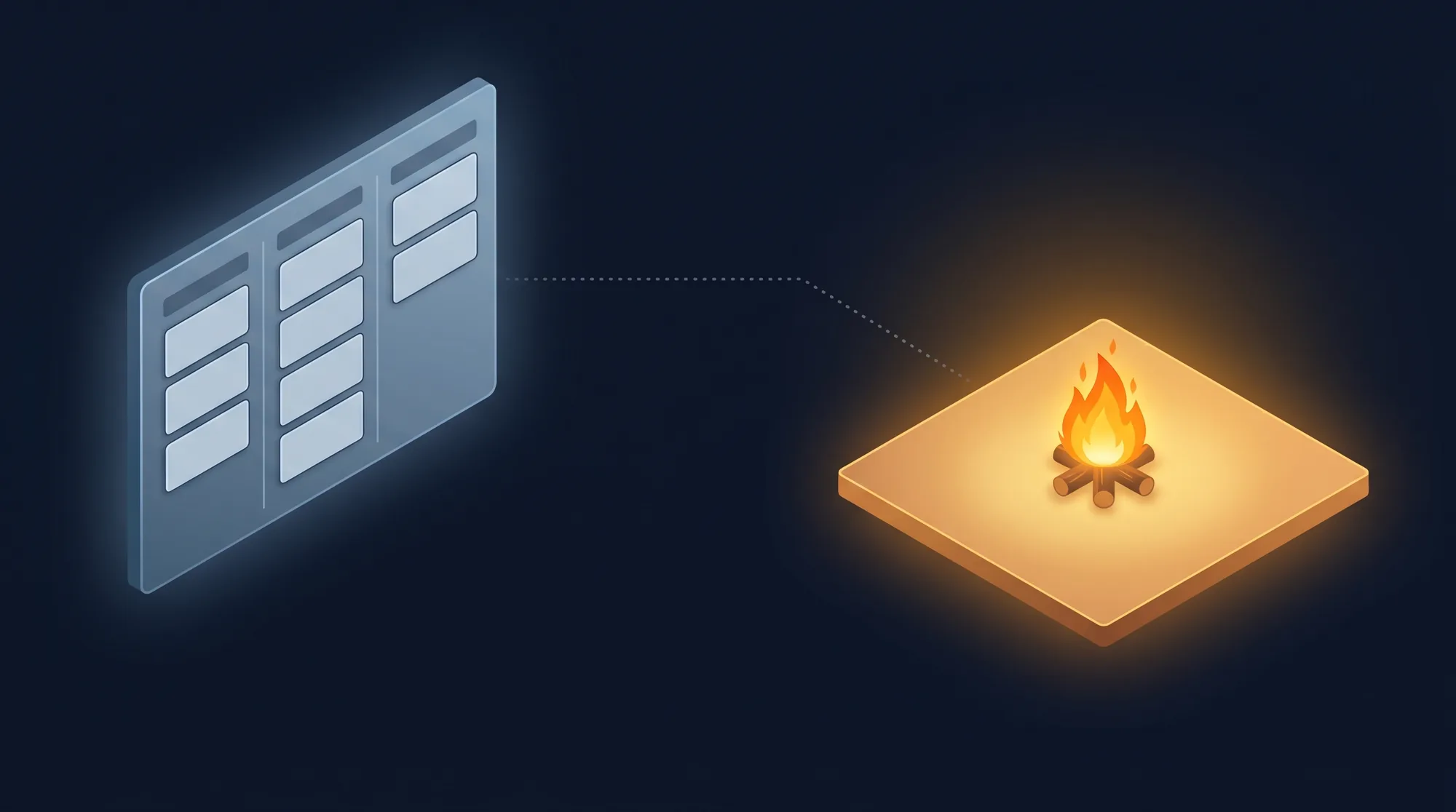
That's the relevance gap. And it's invisible to the manager, which is exactly why they rate their coaching higher. From their perspective, they reviewed the pipeline, gave solid advice, and moved on. From the rep's perspective, none of it touched the fire they're trying to put out.
Why Managers Don't See It
I don't blame managers for this. I genuinely don't. I've been in that seat, and I was probably guilty of the same thing.
The manager's experience of coaching is: "I showed up, I gave good advice, the rep nodded, we moved on." That feels like good coaching. And in isolation, it is.
But the rep's experience of coaching is: "I get 30 minutes every week or two, half of which is spent on deals my manager picked, and the other half I'm trying to squeeze in the thing I actually need help with before we run out of time."
When you only get coached on 10% of your problems, you rate the coaching as below average, even if that 10% was excellent.
Sound familiar? It should. It's the same dynamic as the listening problem I started with. The person giving the coaching thinks it's going well. The person receiving it knows it's not enough.
The Real Gap
So here's what the MySalesCoach data is really telling us. The gap between reps and managers isn't about coaching skill. It's not about methodology. It's not about frameworks or certifications.
The gap is about availability.
Reps need coaching every day. Not just on scheduled calls. Not just on the deals their manager happens to look at. On the deal that's falling apart right now, at 3pm on a Tuesday, when their manager is in a forecast review.
No human manager can provide that. Not with 10 reports. Not with their calendar. Not with their own targets to hit. The maths simply doesn't work. It's exactly the gap AI managers are built to fill, and a complete guide to how AI sales coaching works walks through what that availability actually looks like in practice.
What Closes the Gap
I'm not going to pretend I don't have a view on this (I obviously do, I run an AI coaching company). But the principle matters more than the product.
What closes the coaching perception gap is not better coaching. It's more coaching. Coaching that's available when the rep needs it, on the deal they're working right now, without waiting for a calendar slot.
That doesn't replace the manager. The manager still owns the relationship, the accountability, the career development, the human judgement. It's the split I've argued for before: AI should coach the deal, humans should coach the rep. But it does mean the rep isn't alone for the 95% of their week when the manager isn't available.
When coaching is available every day, the gap closes. Not because the AI is better than the manager. Because the AI is there.
The Question Worth Asking
Next time you're in a one-to-one with a rep, try asking this: "On a scale of 1 to 10, how well-coached do you feel right now?"
Don't ask about the quality of your sessions. Don't ask about your methodology. Ask about the overall feeling of being coached.
If the answer is below a 7, the problem isn't you. The problem is that you're one person trying to do the work of three.
45% of reps are telling us exactly what's wrong. The question is whether we're listening.
What if your reps had coaching available every day, not just once a week? Replicate Labs gives sales teams AI coaching that's there when the manager can't be. For reps, managers, and whole teams: start free at replicatelabs.ai. No credit card required.