

I have a drawer in my kitchen that I'm genuinely embarrassed about. Spiraliser. Avocado slicer. One of those fancy garlic rocker things that cost me twenty quid and works worse than the flat side of a knife. Every single gadget in that drawer looked brilliant on the counter at John Lewis. Every single one promised to make me a better cook.
I am not a better cook.
I still make the same four meals on rotation. The gadgets sit there, judged silently by the wooden spoon that actually does the work.
Your sales tech stack is that drawer.
The most expensive spectator sport in B2B
Apollo published some research earlier this year that stopped me mid-scroll. The average sales organisation spends roughly $1,200 per rep annually on sales tools. That's before CRM licensing, before the enablement platform, before the conversation intelligence subscription, before the engagement tool, before the analytics layer that sits on top of everything else.
And 67% of purchased features go unused.
Think about that for a second. Two thirds of the capability your organisation is paying for is gathering dust. It's the spiraliser, scaled to enterprise.
Meanwhile, RepVue's Cloud Sales Index shows that only 43% of sellers hit quota. That number has hovered in the low forties for six consecutive quarters. Six. Not a blip. A pattern.
Forrester's Peter Ostrow put it sharply when he wrote that too many revenue enablement strategies are "focussed on tool adoption, believing that their own success depends not on revenue outcomes but on the utilisation of tech tools." He's right. But I'd go further.
The tools aren't underadopted. They're architecturally incapable of doing what you bought them to do.
What your stack actually does (spoiler: it watches)
I want to walk through the typical sales tech stack and ask one question about each layer. Does it change what the rep does on the next call?
Your CRM tells you what happened. Past tense. The deal moved, the stage changed, the note was logged. It doesn't coach. It doesn't intervene. It doesn't tell the rep that their discovery was shallow or their next steps were vague. It just writes down that stuff occurred.
Your conversation intelligence platform tells you what was said. Also past tense. Genuinely useful for managers who want to review calls after the fact, and I rate it for pattern recognition at scale. But by the time the insight surfaces, the moment has passed. The rep already sent the follow-up. The buyer already formed their impression. You're coaching from a transcript of a conversation that's already over.
Your LMS tells you what was completed. A module was watched. A quiz was passed. A certification was earned. Whether any of that made a blind bit of difference on the next real call with a real buyer? Nobody checks. The completion rate looks cracking, though.
Your engagement tool tells you what was sent. Sequences fired. Emails opened. Calls logged. The rep looks busy. The pipeline looks active. Whether any of it was good is a separate question entirely.
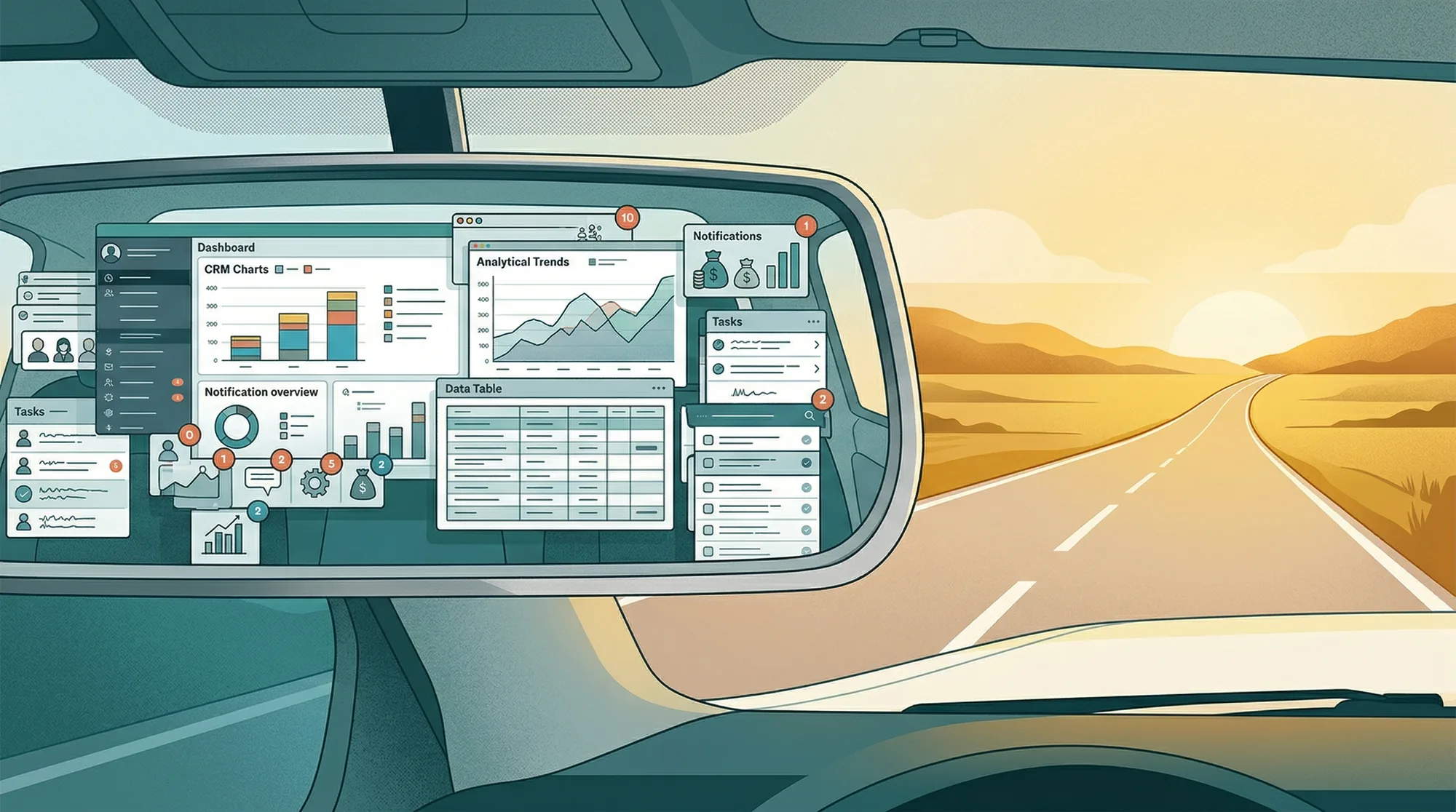
Every tool in the stack is a rearview mirror. They tell you where you've been. None of them tell the rep where to go next.
Sound familiar?
The maths that nobody runs
I was on a call recently with a Head of Sales at a company generating 720 opportunities a month. They had nine frontline managers responsible for deal coaching across that pipeline.
Let me do the arithmetic. 720 divided by 9 is 80 deals per manager, per month. Roughly four per working day. A proper deal coaching session (the kind where you actually review the buyer's situation, challenge the rep's assumptions, build a plan for the next interaction) takes 30 to 45 minutes minimum.
Even if those nine managers did literally nothing else. No forecasting. No hiring. No one-to-ones. No internal meetings. No reporting. They physically cannot coach every deal in their pipeline. Not even close.
So what happens? The tools are supposed to compensate. The CI platform flags calls. The CRM surfaces deals at risk. The enablement platform reminds reps about methodology. (This is the same gap that turns centrally bought coaching tools into shelfware.) All of it well intentioned. None of it the same as someone actually sitting with the rep on the live deal and saying: "On this deal, with this buyer, given what happened on the last call, here is specifically what you should do next."
The tools report the problem. They don't solve it.
Why consolidation won't fix this
The market seems to think the answer is fewer tools, better integrated. Highspot and Seismic announced their merger in February. Kevin Cheney's LinkedIn post about cutting from nine tools to four went viral. The narrative is declutter, consolidate, simplify.
I get it. Nobody enjoys managing twelve logins and three dashboards that show the same data in different colours. Consolidation feels productive.
But here's the rub. If you integrate four rearview mirrors into one sleek dashboard, you still have a rearview mirror. A really elegant, beautifully designed rearview mirror that your CEO paid seven figures for. But a rearview mirror nonetheless.
The problem was never the number of tools. It was what the tools are capable of doing. Measurement tools measure. Reporting tools report. Content tools serve content. None of them execute. That is the gap sales leaders actually need to close.
The question isn't "how many tools?" It's "do any of them change what the rep does next?"
What execution actually requires
I spent nine years at SimilarWeb building what I genuinely thought was a world-class enablement function. We had the full stack. Every tool. Every platform. Content libraries that would make your head spin. And when I went and watched the call recordings, nobody did anything we told them to do. Ever.
The enablement leaders I respected all laughed when I told them. "Welcome to enablement," they said.
That moment broke something in me. And it rebuilt something better.
Execution requires something the current stack can't provide. It requires a system that knows three things at once: the methodology the organisation follows, the specific deal the rep is working right now, and the rep's individual capability level. Then it needs to do something none of the tools in your drawer can do.
It needs to act. Not report. Not flag. Not recommend a module. Act.
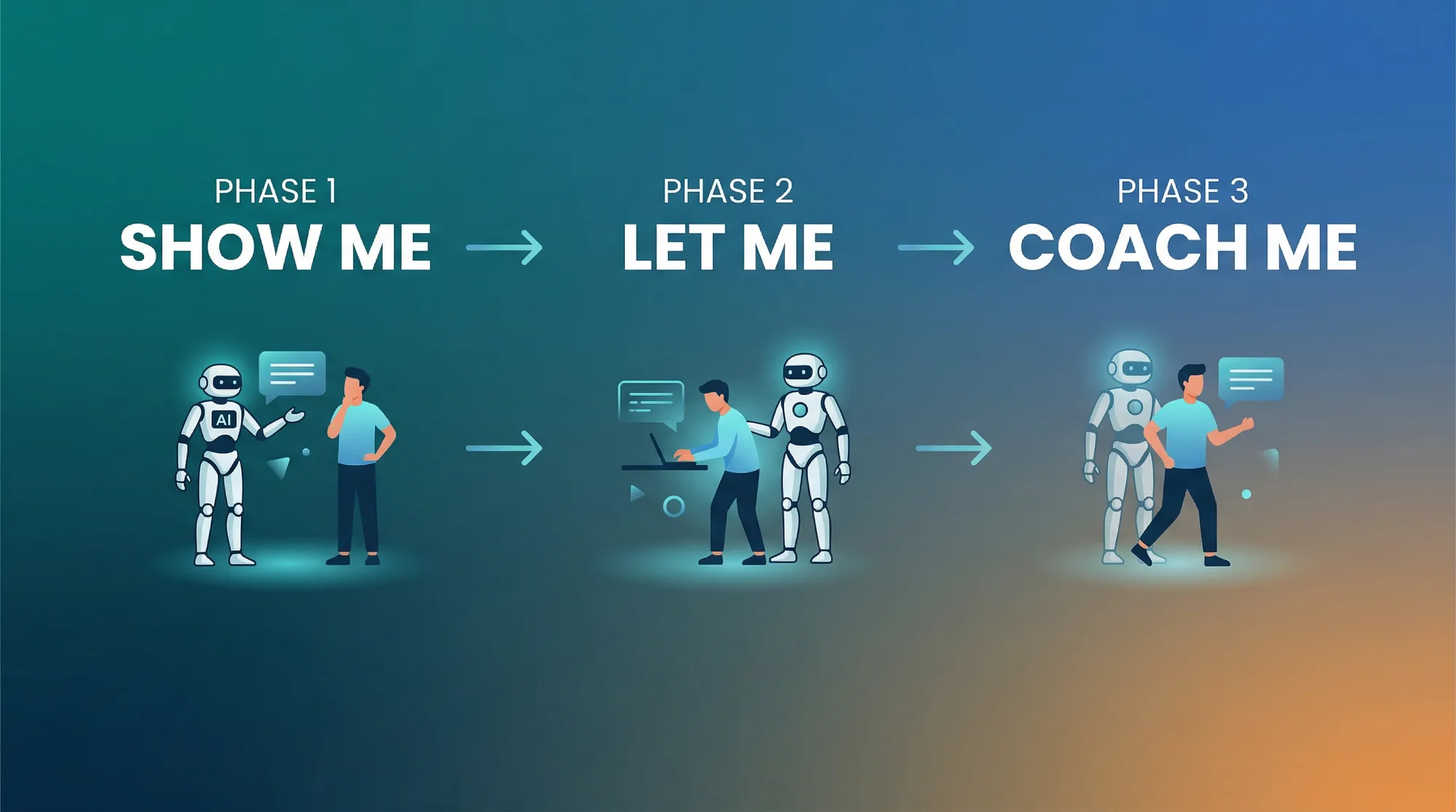
Where the rep is strong, ask the sharp question and get out of the way. Where the rep is exposed, do more of the work directly and show what good looks like on this specific deal. The support flexes to the deal in front of them, not to a fixed track. That is how the model actually works, and our complete guide to AI sales coaching walks through it in full.
That's not a better version of your existing stack. That's a different category entirely.
The stack is full. The reps are empty-handed.
Your CRM knows everything about the deal. Your CI platform has heard every call. Your LMS has certified every rep. Your engagement tool has sent every sequence.
And your rep is still staring at a blank email to a VP they've never spoken to, with no idea what to write.
Twelve tools. Zero execution.
The stack is full. Your reps are empty-handed.