Sales Enablement
The Enablement Merger Nobody Needed
21 March 2026
The Highspot-Seismic merger is $6 billion of proof that enablement is consolidating around the wrong problem. More content doesn't mean better execution.
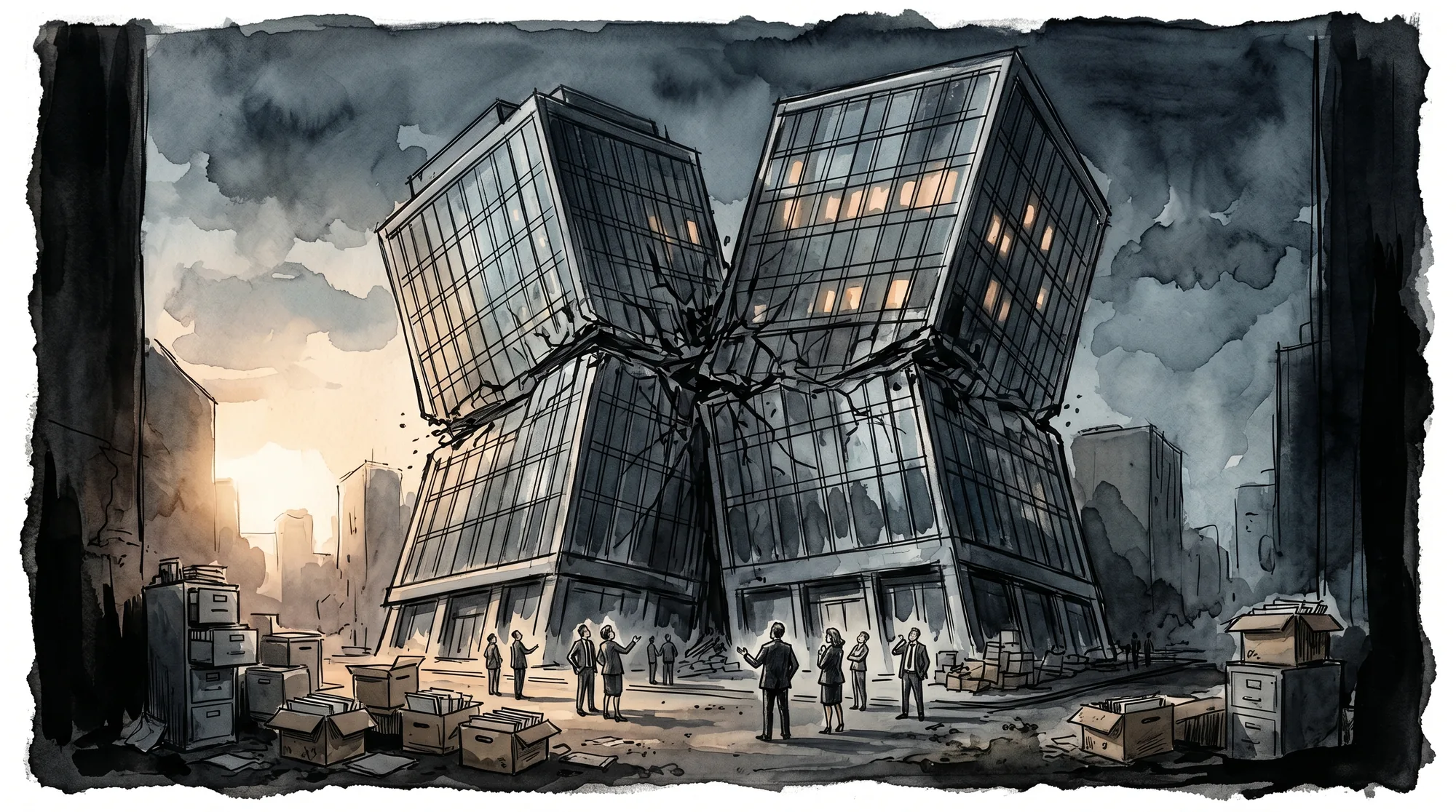
I used to work with a sales team that had, genuinely, the best content library I'd ever seen. Hundreds of battle cards. Dozens of playbooks. Case studies for every vertical, every persona, every objection you could imagine. It was beautiful.
Nobody used it.
I'm not exaggerating. We ran the numbers. Fewer than 12% of reps had opened a single piece of content in the previous quarter. The enablement team had spent months building this pristine library, and the sales floor treated it like that drawer in your kitchen where you shove takeaway menus and dead batteries. You know it's there. You're never opening it.
So when I saw the Highspot-Seismic merger announcement, my first thought wasn't "wow, that's a big deal." It was "who asked for this?"
$6 billion combined. Two content management platforms becoming one bigger content management platform.
Sound familiar?
The content delusion
Here's the thing nobody in enablement leadership wants to admit: the problem was never content availability. It was never "reps can't find the right deck." It was never "our battle cards aren't centralised enough."
The problem is, and always has been, execution.
A rep doesn't lose a deal because they couldn't find the case study. They lose it because they didn't ask the right discovery questions. They didn't quantify the buyer's pain. They pitched features when the buyer was screaming about a business problem. They followed up with "just checking in" instead of adding value.
No amount of content fixes that. Not at $3 billion. Not at $6 billion. Not at $60 billion.
Think about that for a second. The enablement industry's biggest ever transaction is a bet that the answer to "reps aren't executing" is "give them a bigger library to not execute from."
The maths of content consumption
Let's do the numbers, because I love doing the numbers.
The average B2B sales team has somewhere between 500 and 2,000 pieces of sales content. Seismic's own research suggests that 65% of sales content goes unused. Highspot's data puts it at around 60%.
So after this merger, you've got a combined platform managing, let's say conservatively, tens of thousands of assets across their customer base. And roughly 60-65% of it will never be opened, downloaded, or shared by a single rep.
That's not a content management problem. That's an execution problem wearing a content management disguise.
Here's where it gets worse. The average rep has about 28 hours of actual selling time per week (and that's generous). They're spending the rest on CRM updates, internal meetings, admin, and pretending to update their forecast. You think they're going to spend 30 minutes browsing a content library, no matter how slick the search function is?
They're not. They never were. Merging two platforms doesn't change that.
Consolidation is not innovation
I've been in SaaS long enough to recognise what's happening here. When an industry consolidates, it's usually a sign that the category has matured to the point where differentiation is gone. Highspot and Seismic were, functionally, doing the same thing. Content management. Content analytics. Content recommendations.
The merger doesn't create a new category. It creates a bigger version of the old one.
And the old one wasn't solving the actual problem.
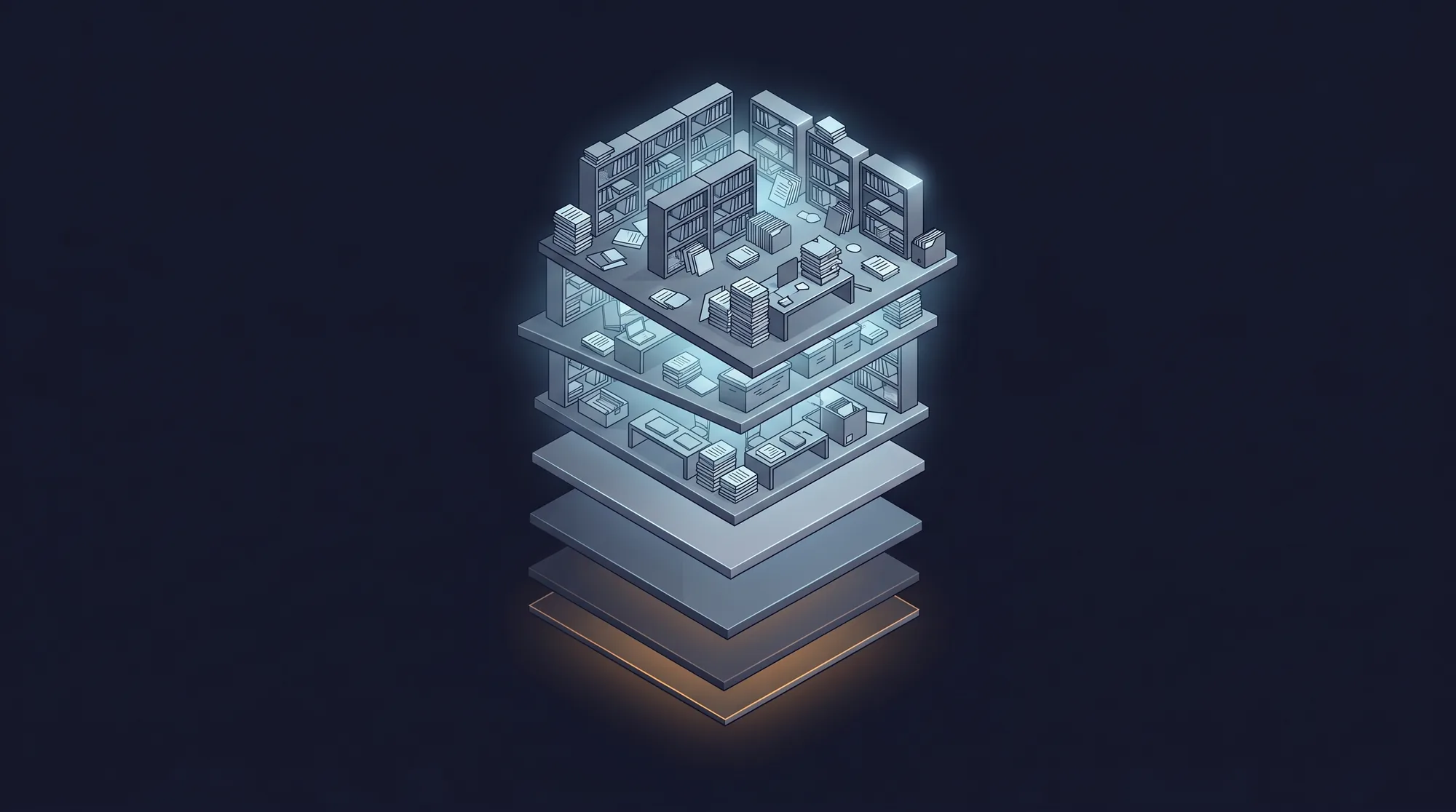
The enablement industry has spent a decade optimising the wrong layer. Content is the input. Execution is the output. And there's a massive gap between having the right content available and having the rep actually apply it in a live conversation.
That gap is coaching. It's practice. It's repetition. It's feedback loops that happen in the workflow, not in a quarterly content refresh.
What reps actually need
I talk to sales leaders every week. I've spoken to hundreds of them over the past two years. And when I ask "what's the number one thing that would improve your team's performance?", nobody says "better content management."
They say coaching. Every single time.
They say: "I need my reps to actually apply what we teach them." They say: "I need someone to catch the bad habits before they cost us the deal." They say: "I need coaching that happens daily, not quarterly."
73% of reps receive little to no coaching from their manager. That's not because the content library is lacking. It's because the coaching infrastructure doesn't exist.
A $6 billion content platform doesn't build that infrastructure. It just makes the content side of the equation louder.
The real enablement stack
If you were building an enablement stack from scratch today, here's what you'd prioritise:
- Coaching that happens in the workflow. Not a library the rep visits when they remember. Coaching that meets them in Slack, in the deal review, during the call.
- Practice that builds muscle memory. Reps don't improve by reading playbooks. They improve by practising conversations, getting feedback, and iterating. Repeatedly.
- Content that's delivered contextually. Yes, content matters. But it matters most when it's served at the moment of need, inside the deal, not sitting in a searchable portal.
- Data on execution, not just consumption. Knowing that a rep downloaded the battle card tells you nothing. Knowing that they actually applied the methodology in their last 5 calls tells you everything.
The industry has been building from the content layer up. It should have been building from the execution layer down.
Where this leaves us
I don't blame Highspot or Seismic. They're doing what any rational company would do in a maturing market: consolidate, reduce costs, and try to cross-sell into each other's base. It's good business.
But let's not pretend it's good for the buyer.
If you're a VP of Sales or a Head of Enablement looking at this merger and thinking "great, now I only need one vendor for content," I'd challenge you to ask a different question first.
How much of your team's underperformance is actually a content problem?
And how much of it is a coaching problem you've been ignoring because nobody had a scalable solution? There is one now, and our complete guide to AI sales coaching lays out how it works.
The biggest deal in enablement history just doubled down on content. The reps still can't execute. Welcome to the enablement merger nobody needed.
If you're a rep who wants coaching that actually meets you where you work, or a manager who needs to scale what one-to-one sessions can't cover, Replicate Labs gives you AI coaching built for execution, not content consumption. It's free to get started. No demo required. Just sign up and start coaching.